

If in Brazil perhaps you are thinking about going to the grand and very impressive Carnival at the Sambadrome in Rio de Janeiro.
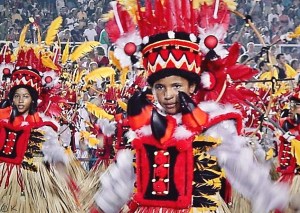
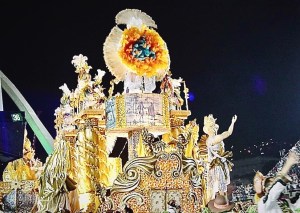
A little bit of history
The first Carnival festival in Rio occurred in 1723.
Carnival was brought to Brazil by Portuguese colonizers between the 16th and 17th centuries. Over time, the festival obviously changed with the culturein style, and through the music.
In 1840, the first Rio masquerade took place, and polka and waltz took center stage. Later in the beginning of the 20th century the Samba and Batucada rhythms classically associated with Rio carnival were introduced by afro-brazilians and pardos, adapting diverse cultural inputs to produce new musical genre. During this period, Carnival assumed its position as the biggest popular festival in Brazil.
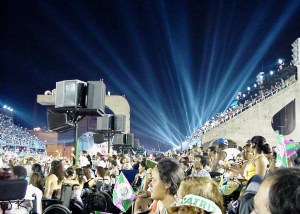

We were at the Carnival at the Sambadrome for approximately twelve hours. The world’s largest party and samba rhymes nonstop. It was hard to sit still and don’t go crazy to the wonderful music.
It was thrilling, yet admittedly a bit exhausting for so many hours. But I wouldn’t have missed it either. It was just an awesome experience.


It’s also quite amazing how much energy and effort and tremendously many hours or rather months people put in to making the Carnival great.

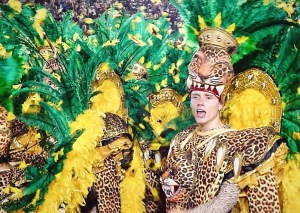
When you walk through the streets in Rio pre- and during Carnival month you’ll see dancing people everywhere. Either rehearsing for the Carnival or just having fun and smitten by each other. The Brazilian people are in general a people with rhythm and music in their lives.


Everything that is Carnival really begins with the Samba schools, which you can find throughout Rio.
Samba Schools are truly worth a visit during the important pre-Carnival rehearsal period, which starts generally in August and goes on until the final week just before the actual parade, Friday before Ash Wednesday.
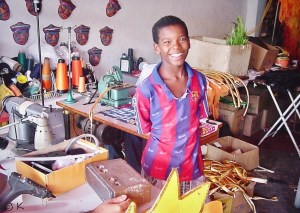
We visited one of the schools and saw samba rehearsal, costume makings and talked to the people involved. Quite fun and a very interesting and different lifestyle to be introduced to. Occasionally also involved in, as some samba schools invites foreigners to join either some rehearsal or if you are a serious enthusiast you might be invited to participate at the carnival itself.
Plus info
Sambódromo – R. Marquês de Sapucaí – Santo Cristo, Rio de Janeiro – RJ, 20220-007, Brazil

 Insight and Visions